Emergency wilted bouquets: 2-hour fixes for Merton homes
Posted on 01/06/2026
There's a particular kind of panic that only happens when a bouquet starts to sag right before guests arrive, or just as you realise the flowers on the table have gone soft and tired. In that moment, you do not need a lecture. You need a plan that works fast. This guide on Emergency wilted bouquets: 2-hour fixes for Merton homes is built for exactly that situation: quick, realistic rescue steps you can use in a kitchen, hallway, flat, or terrace home anywhere around Merton.
To be fair, most wilted bouquets are not "dead"; they are usually dehydrated, heat-stressed, or simply placed in water too late. With the right reset, many can look presentable again within a couple of hours. You will find practical steps below, plus when it makes sense to stop fighting the clock and arrange a fresh replacement through same-day flower delivery in Merton or browse the wider flower delivery options for Merton homes.
The aim here is simple: help you save the bouquet if you can, avoid making it worse if you can't, and keep the finished arrangement looking decent enough for the room, the occasion, and the photograph nobody admits they care about. Let's get into it.
Why Emergency wilted bouquets: 2-hour fixes for Merton homes Matters
Wilted flowers are not just a cosmetic issue. In a home setting, they can change the feeling of a room instantly. A table centrepiece that droops can make a whole dinner setup feel unfinished. A gift bouquet that looks tired can send the wrong message, even when the thought behind it was lovely.
For Merton homes, this matters because life moves quickly. Bouquets are often moved from doorstep to kitchen to living room in minutes. They sit near radiators in winter, on sunny sills in spring, and beside warm ovens when everyone is rushing around. That mix of heat, draughts, and delayed water is exactly what knocks flowers off balance.
There is also the emotional side. If you've bought flowers for a birthday, a thank-you, an apology, or a quiet "thinking of you", the bouquet is carrying more than colour. It is carrying a message. When that message looks faded, people notice. Not always consciously, but they do.
In our experience, the most useful emergency response is not complicated. It is a mix of fast hydration, a clean vase, a small trim, and a calm eye for what can realistically be recovered. Sometimes the bouquet perks up enough to carry you through the evening. Sometimes it only improves halfway. That's still a win, honestly.
And there's another reason this topic matters: knowing the rescue process helps you make better buying decisions next time. If you understand what causes quick wilt, you are more likely to choose sturdy stems, sensible containers, and delivery timings that suit a real household. If you need a more dependable starting point, the local florist in Merton SW19 can guide you toward bouquets that are easier to keep fresh.
How Emergency wilted bouquets: 2-hour fixes for Merton homes Works
The basic idea is straightforward: a wilted bouquet needs water back in the stems, air out of the leaves, and less stress from heat or crowding. The two-hour window matters because most cut flowers respond quickly once they are rehydrated. Some will visibly lift within 20 to 40 minutes; others need the full two hours to look stable again.
The process usually works in three stages:
- Open the stems. You trim the ends so they can drink properly again.
- Reset the water environment. You remove dirty water, soap the vase if needed, and use fresh cool water.
- Reduce stress. You move the bouquet away from heat, ripening fruit, and direct sun.
That last point gets overlooked a lot. A bouquet can be watered correctly and still stay floppy if it sits under a warm lamp or near a steamy cooker. Flowers are a bit dramatic like that.
The method also depends on the flower types involved. Roses, carnations, chrysanthemums, alstroemeria, and many mixed bouquets usually respond well to a rescue attempt. More delicate stems, or flowers already severely damaged, may improve only slightly. That's where judgement matters.
If your bouquet has been out of water for a while, the rescue is still worth trying, but it becomes a triage job rather than a restoration job. You are aiming for "good enough for now", not perfection. For arrangements intended for birthdays or a last-minute evening visit, that is often exactly the right target. For a fresh replacement, you can also look at sending flowers with a local Merton florist or explore next-day flower delivery if the timing allows.
Key Benefits and Practical Advantages
Fast bouquet rescue is not just about saving money, although that is a very real benefit. It also reduces waste, keeps an occasion on track, and gives you control when time is already tight.
- Saves the look of an event. A refreshed bouquet can keep a dining table, bedside table, or hallway console looking cared for.
- Buys time. Even if the flowers are not perfect, a two-hour fix can carry you through the day.
- Reduces avoidable waste. Many bouquets are discarded too early when a proper rehydration would have helped.
- Helps you spot structural issues. If a bouquet keeps collapsing, you may have too much foliage, blocked stems, or poor vase water.
- Improves gift confidence. If you are giving flowers as a thank-you, get-well gesture, or anniversary surprise, presentation matters more than people admit.
There's also a practical home-management upside. Once you know how to rescue a bouquet quickly, you are less likely to panic when flowers arrive a bit tired from travel or when a warm room gets the better of them. The answer is not always to bin them. Often, it is to intervene properly.
If you are working to a budget, it is worth remembering that fast rescue and smart buying can go together. A bouquet from the cheap flowers Merton page may still look excellent if it is treated well on arrival and handled with a little care. Sometimes the difference is not the price tag; it is the first ten minutes at home.
Who This Is For and When It Makes Sense
This kind of emergency fix suits anyone who has flowers and not enough time. That sounds obvious, but the situations vary more than you'd think.
- Hosts and hostesses who have guests arriving and need the room to look polished.
- Gift senders who notice a bouquet drooping after delivery and want it revived before it is handed over.
- Busy households where flowers have been left on the side while everyone gets on with the day.
- Event organisers dealing with a last-minute table arrangement or reception display.
- Families managing sympathy or memorial flowers that need careful handling and dignity.
It also makes sense when the bouquet is made up of flowers known to respond well to water recovery. Carnations, roses, alstroemeria, and chrysanthemums are often solid candidates. If you're dealing with a mixed arrangement from a local florist, checking the flower mix can help you decide whether to rescue, re-style, or replace. A glance at basket and posy styles can also be useful if you are considering a sturdier arrangement next time.
Sometimes, the smartest move is not to rescue at all. If a bouquet has been in extreme heat, crushed in transit, or left dry for too long, it may be better to remove the worst stems, salvage the strongest ones, and reset the arrangement in a smaller vase. That can still produce a surprisingly nice result. Small vase, smaller expectations. Works every time, or nearly.
Step-by-Step Guidance
If you only have one section open on your phone, make it this one. This is the simplest reliable method for a quick bouquet rescue.
- Clear the workspace. Find a sink or bowl, a clean vase, scissors or floral snips, and fresh water.
- Check the bouquet. Remove any wrapping that traps heat or moisture, then inspect the stems. Look for bent heads, limp leaves, and slimy water.
- Strip the lower leaves. Anything below the waterline should come off. Leaves in water encourage bacteria, and bacteria shorten vase life.
- Trim the stems. Cut 1 to 2 cm off each stem at an angle. A clean diagonal cut helps water uptake.
- Use lukewarm to cool water. For most mixed bouquets, fresh clean water is the priority. If the stems are severely dehydrated, some florists recommend slightly lukewarm water first, then cooler water once the stems rehydrate.
- Rebuild the vase. Put in the strongest stems first, then work around them. Keep heads spaced so they are not pressing into each other.
- Move the bouquet somewhere cooler. A hallway, shaded room, or table away from the radiator is better than a sunny kitchen windowsill.
- Wait and reassess at 30 minutes. If the stems are beginning to stand again, leave them in place. If not, re-trim a tiny amount and change the water again.
- After 2 hours, style the bouquet. Rotate tired flowers to the back, trim uneven stems, and remove any bloom beyond recovery.
A useful rule of thumb: do the least aggressive fix that creates the biggest improvement. Over-trimming can make stems too short. Over-handling can bruise petals. Flowers are delicate, but they also prefer to be left alone once the basics are done.
When the bouquet has already started to perk up, stop fussing with it. That sounds obvious, yet it is probably the most common mistake. The moment people see improvement, they keep adjusting. Then the flowers sulk again. Typical.
Expert Tips for Better Results
Here are the little things that tend to make a proper difference.
1. Keep the vase impeccably clean
Even a decent bouquet struggles in a vase that still has bacteria film on the glass. Wash it properly with hot water and rinse well before refilling. If the vase smells slightly stale, clean it again. That smell is a warning sign.
2. Use flower food if you have it
Flower food is not magic, but it does support hydration and reduce bacterial growth. If you do not have it, fresh water is still better than no water, of course. But if you are keeping bouquets regularly, it is worth having some in the drawer.
3. Remove the worst single stem first
Sometimes one damaged stem drags down the visual quality of the whole bouquet. Remove the truly hopeless flower and the arrangement may suddenly feel far fresher. There is no medal for keeping every stem. None at all.
4. Watch the room temperature
In Merton homes, summer afternoons can be deceptively warm indoors, especially in a bright flat. If the bouquet is near a south-facing window or above a radiator, even a perfect water change will not save it for long.
5. Re-cut after transport
If flowers were delivered wrapped and then stood around for half an hour before being unpacked, the stem ends can seal up a little. A fresh cut before placing them in the vase often makes a visible difference.
For stems that are more fragile or for arrangements intended to last longer with less drama, choosing a vase-friendly bouquet can help. The flowers in a vase collection is often a sensible option when you want convenience and less handling.
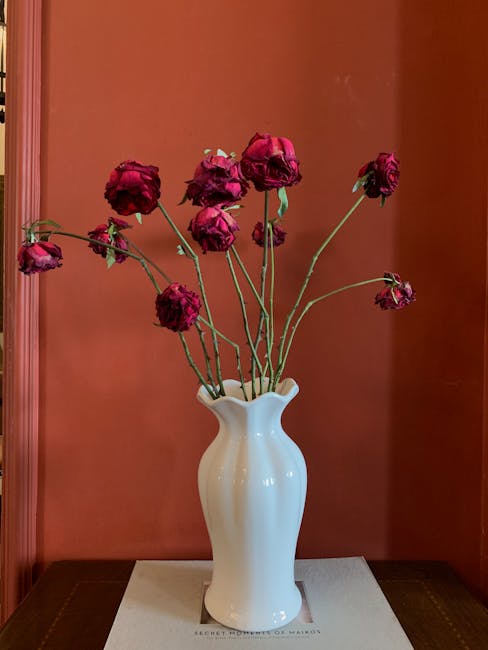
Common Mistakes to Avoid
Emergency repairs are often undone by well-meant mistakes. These are the big ones.
- Putting flowers into dirty water. It does more harm than help.
- Leaving foliage under the waterline. This speeds up decay fast.
- Using blunt scissors. They crush stems instead of cutting cleanly.
- Placing the bouquet in direct sun. A quick photo is fine; a permanent spot there is not.
- Overfilling the vase. Too much water can drown some softer stems or make the bouquet unstable.
- Expecting every flower to recover equally. Some stems will bounce back, others will not. That's normal.
- Spraying petals with too much water. Mist can help in some cases, but drenching petals can leave marks and encourage rot.
Another mistake? Delaying action because you hope the flowers will "sort themselves out". Sadly, cut flowers are not that independent. Once they start drooping, they need help fairly quickly.
If the bouquet is tied to a gift occasion and the rescue is failing, it is sensible to switch plans rather than force the issue. A fresh replacement from a trusted local flower shop in Merton may be the better move, especially if the presentation really matters.
Tools, Resources and Recommendations
You do not need a specialist kit to rescue a bouquet. But a few simple items make the job much easier.
| Tool / item | Why it helps | Best use |
|---|---|---|
| Sharp scissors or floral snips | Gives a clean stem cut and reduces crushing | Trimming stems at an angle |
| Clean vase | Limits bacteria and gives stems room | Immediate reset |
| Fresh water | Rehydrates stems quickly | First fill and water changes |
| Flower food | Supports vase life and helps water quality | Best used after trimming |
| Soft cloth or paper towel | Helps dry hands and tidy stems | Handling and cleanup |
| Cool, shaded space | Reduces heat stress | Waiting period during recovery |
If you are planning ahead for repeat gifting or household displays, it can be useful to choose flowers by purpose rather than by impulse. For example, a birthday mix may benefit from brighter, sturdier stems; a memorial arrangement needs more structure and calm colour; a bridal bouquet has different handling needs again. That is where browsing options like mixed colours bouquets, roses, carnations, chrysanthemums, alstroemeria, and lilies becomes genuinely helpful.
For ongoing care, the site's flower care guide and delivery information are both worth a look. They help set expectations before flowers even arrive, which saves a lot of frustration later on.
Law, Compliance, Standards, or Best Practice
There is no special legal rule about rescuing wilted flowers in a private home, but there are sensible standards and common-sense practices worth following. If you are handling flowers for customers, guests, or a business setting, hygiene and clear communication matter. Keep containers clean, avoid leaving spoiled water around food areas, and handle sharp tools carefully.
For people ordering flowers online in the UK, a few practical checks help build trust. Review payment terms, refund conditions, and delivery details before placing an urgent order. That is just good practice, not legal drama. It reduces confusion if the bouquet arrives later than planned or if there is a quality issue. The relevant pages on payment, terms and conditions, and returns and refund information are useful for that.
If sustainability matters to you, it is also fair to look at how flowers are sourced and delivered. A florist's sustainability information can help you choose arrangements that fit your values, while the guarantees page helps explain what support is available if things do not go to plan.
For local and accessible shopping, a business should also make it easy for customers with different needs to use the site. The accessibility statement and privacy policy are not glamorous reading, admittedly, but they are part of a trustworthy customer experience.
Options, Methods, or Comparison Table
Not every wilted bouquet needs the same fix. Here is a simple comparison to help you choose the right approach.
| Method | Best for | Typical time to improvement | Risk level |
|---|---|---|---|
| Fresh cut + clean water | Most mildly wilted bouquets | 30-120 minutes | Low |
| Deep rehydration in cool room | Thirsty stems with sagging heads | 60-120 minutes | Low |
| Reshape into a smaller vase | Mixed bouquets with a few weak stems | 15-45 minutes | Low |
| Stem-by-stem triage | Partly damaged or uneven bouquets | 45-120 minutes | Medium |
| Replace the bouquet | Severe heat damage or advanced decay | Immediate if stocked | Low |
There's a practical rule hidden in this table: if the bouquet is mostly healthy but dishevelled, rescue it. If many stems are beyond help, simplify the arrangement. If the whole thing smells off or feels slimy, don't keep trying to polish a bad situation. Replace it. That's not failure; that's decent judgement.
For occasions where timing is tight and presentation matters, the right replacement can be easier than a rescue. A fresh bouquet chosen from best sellers, or a more occasion-led option like any occasion bouquets, can reset the mood instantly.
Case Study or Real-World Example
A common real-world scenario goes like this. A customer in Merton gets a mixed bouquet delivered in the late morning. By early afternoon, it is sitting on the kitchen counter while lunch is being prepared, the oven is on, and a sunny patch of light has moved across the room. By the time the guest arrives, three stems have collapsed and the roses look a bit defeated.
The rescue starts with a clean vase, fresh water, and a stem trim. The leaves below water are removed. The bouquet is moved off the counter and into a cooler room, away from the cooker and sun. After about 40 minutes, the carnations begin to lift. By the end of two hours, the arrangement is not perfect, but it looks tidy, balanced, and much more intentional.
What made the difference? Not one magic trick. A few small ones done quickly and in the right order. In a case like that, the bouquet did not need elaborate treatment. It needed less heat, cleaner water, and a proper reset. That's all.
There are also situations where the better decision is a replacement from the start. If a bouquet has been left in a hot car, or delivered and forgotten for several hours, the best outcome may be a narrower arrangement in a vase, or a new order through best flower delivery in Merton. A few people hate hearing that, but it saves time and the end result is usually nicer.
Practical Checklist
Use this when you need a quick rescue and don't want to think too hard. Which, in fairness, is most emergency moments.
- Remove wrapping and loosen ties gently.
- Check for leaves below the waterline.
- Clean the vase before refilling.
- Trim stems by 1 to 2 cm at an angle.
- Use fresh water and flower food if available.
- Discard slimy, rotten, or broken stem ends.
- Move the bouquet away from heat and direct sun.
- Reassess after 30 minutes, then again by 2 hours.
- Reshape the bouquet into a smaller vase if needed.
- Replace any stem that clearly will not recover.
Quick takeaway: the fastest wins come from clean cuts, clean water, and cool placement. If you remember nothing else, remember those three.
Conclusion
Emergency bouquet rescue is one of those tiny domestic skills that sounds minor until you need it. Then it feels surprisingly important. The good news is that most wilted bouquets can be improved within two hours if you act quickly, keep the setup clean, and avoid overworking the flowers.
For Merton homes, the trick is to treat the bouquet like a live arrangement that needs calm, not panic. Trim it properly, hydrate it properly, and place it properly. And if the flowers are too far gone, accept that early and swap in something fresh. That decision can save the whole mood of the room.
If you want a more reliable starting point next time, choose bouquets that match your space, your timing, and how much care you can realistically give them. That's the honest answer, really. Flowers do best when the human around them is paying attention.
Get a free quote today and see how much you can save.
Sometimes the smallest reset brings the biggest relief. Fresh water, a clean vase, and a little patience can go a long way.
Frequently Asked Questions
Can a wilted bouquet really recover in two hours?
Yes, often it can. If the stems are still viable and the issue is mainly dehydration or heat, you may see improvement within 30 minutes and a much better result by two hours.
What is the quickest fix for drooping flowers?
The quickest reliable fix is to trim the stems, remove leaves below the waterline, place the bouquet in a clean vase with fresh water, and move it to a cool spot.
Should I use warm water or cold water for wilted bouquets?
For most mixed bouquets, fresh clean water is the safe default. Some severely dehydrated stems respond well to slightly lukewarm water first, but fresh water and a clean vase matter more than chasing a perfect temperature.
Why do bouquets wilt so fast indoors?
Common reasons include heat, direct sunlight, dirty water, blocked stem ends, and flowers being left out of water during transport or unpacking.
Can I revive roses faster than other flowers?
Roses can often recover well if the stems are recut and they are placed in clean water quickly. That said, roses can also bend if they have suffered heat stress, so handling gently matters.
What flowers usually respond best to emergency rescue?
Carnations, chrysanthemums, alstroemeria, and many mixed bouquets tend to respond well. Delicate blooms can improve too, but not always as dramatically.
When should I stop trying to save a bouquet?
If the stems are slimy, the water smells unpleasant even after changing it, or the flowers have severe heat damage, it is often better to replace the bouquet.
Do I need flower food to fix wilted flowers?
No, but it helps. Fresh water and a clean vase are the basics. Flower food supports vase life and can make the recovery more reliable.
How do I keep flowers from wilting again after I rescue them?
Keep them away from radiators, sun, and ripening fruit, change the water regularly, and recut the stems every few days if needed.
Is it better to buy a new bouquet if time is tight?
Sometimes yes. If the flowers are badly damaged or the occasion is important, a fresh order can be the more practical option. For urgent situations, same-day or next-day delivery is often the cleanest solution.
Can I rescue a bouquet that has been out of water for hours?
Often you can at least improve it. Recut the stems, hydrate them immediately, and give the bouquet a cool resting place. The longer it has been dry, the less complete the recovery will be.
What is the best vase setup for a quick recovery?
A clean vase, fresh water, and enough space for the stems to sit without crowding is ideal. A smaller vase can sometimes help by supporting tired stems more firmly.
Are wilted flowers always a sign of poor quality?
Not necessarily. Many good bouquets wilt because of heat, delayed water uptake, or home conditions. That said, poor handling can make even strong flowers look tired.
Where can I find more guidance on looking after flowers at home?
The most practical next step is to check the flower care advice and, if you need a replacement, look at local delivery options that fit your timing and budget.