Floral tribute disposal in Merton: council rules explained
Posted on 05/05/2026
When flowers are left after a funeral, memorial, or graveside visit, they do not stay fresh for long. Then comes the awkward bit: what happens next? If you are trying to work out floral tribute disposal in Merton, the council rules explained clearly, you are probably looking for a respectful answer, not a bureaucratic headache. This guide walks through the practical side of clearing tributes, what councils usually expect, and how to avoid upsetting venue or cemetery staff along the way. It is written for real situations too - the kind where you are standing near the gates on a damp afternoon, wondering whether to leave the wreath or take it home.
We will cover the basics, the likely local process, common mistakes, and the easiest way to handle disposal with dignity. If you need flowers for a service, a memorial, or a later remembrance arrangement, you can also explore funeral flowers in Merton, browse tribute flowers, or arrange flower delivery in Merton for a timed arrival.
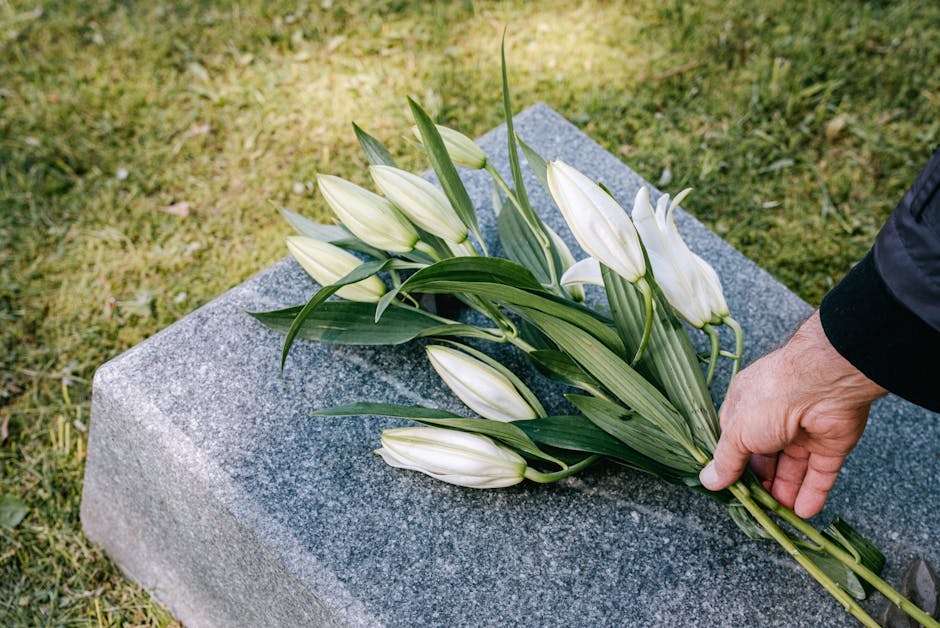
Why Floral tribute disposal in Merton: council rules explained Matters
Floral tributes are emotional objects. They are part of grief, remembrance, and sometimes a final gesture from a whole community. That is why disposal needs a little more care than simply "taking out the rubbish". In Merton, as in most London boroughs, the practical approach is usually shaped by where the flowers were left: a cemetery, crematorium, churchyard, public memorial, or private venue. Different sites may have different collection routines, and local council spaces may also ask for tributes to be removed after a certain period so the area can be kept tidy and safe.
There is also a very real maintenance issue. Wet flowers, cellophane, ribbons, plastic frames, wire, foam, and cards can quickly create clutter. Left too long, they start to smell, blow around in the wind, or interfere with grounds maintenance. Nobody wants that. Not for families, not for visitors, and not for staff who are trying to keep the site calm and respectful.
One thing people often miss is that "disposal" does not always mean throwing everything away at once. Many families choose to separate what can be kept, dried, composted, or recycled. A card from a granddaughter, the ribbon from a wreath, or a short message tucked into the flowers can often be saved before the arrangement is removed. A small but important detail, that.
For people organising a memorial, knowing the council process in advance can also reduce stress on the day. If you are arranging a service and need flowers to arrive on time, same-day flower delivery in Merton can be useful for urgent tributes, while next-day delivery gives a little breathing room if you are planning ahead. Either way, timing matters. It really does.
Table of Contents
- Why Floral tribute disposal in Merton: council rules explained Matters
- How Floral tribute disposal in Merton: council rules explained Works
- Key Benefits and Practical Advantages
- Who This Is For and When It Makes Sense
- Step-by-Step Guidance
- Expert Tips for Better Results
- Common Mistakes to Avoid
- Tools, Resources and Recommendations
- Law, Compliance, Standards, or Best Practice
- Options, Methods, or Comparison Table
- Case Study or Real-World Example
- Practical Checklist
- Conclusion
- Frequently Asked Questions
How Floral tribute disposal in Merton: council rules explained Works
The exact rule set can vary by location, but the process usually follows a simple pattern. First, the site operator - often the council, cemetery team, crematorium staff, or the management of a memorial garden - sets a period during which flowers may remain. After that, tributes are typically removed in line with the site's housekeeping or grounds schedule.
Here is the usual practical flow:
- Tributes are placed after the service or visit, often with cards and personal items.
- Staff monitor the site and may clear tributes when they become faded or after the expected remembrance period.
- Reusable items are separated where possible, especially cards, ribbons, and keepsakes.
- Organic material is collected for composting or green waste processing when that route is available.
- Non-organic items are removed to general waste or recycling, depending on local arrangements and the materials involved.
If you are the person arranging removal, your first question should be: who manages this site? That might sound obvious, but it avoids a lot of wandering around asking the wrong person. In some cases, staff will ask families to take tributes home after a set time; in others, the council will carry out a routine clear-down. If you are unsure, check with the venue or the cemetery office before making assumptions.
Flowers intended for funeral or sympathy use are often designed with disposal in mind. A well-made wreath, spray, posy, or basket usually separates more cleanly than a heavily wired arrangement. If you are selecting tributes for a service, browse the wreath collection, sprays, or dedicated letter tributes to choose something appropriate from the start.
Key Benefits and Practical Advantages
Done properly, responsible floral tribute disposal is not just a compliance task. It keeps memorial spaces calmer, safer, and easier for everyone to use. It also makes the emotional side a little less messy, which, let's face it, can help on a difficult day.
- Preserves dignity by ensuring tributes are removed respectfully rather than left to deteriorate.
- Supports site maintenance so paths, lawns, headstones, and memorial areas remain clear.
- Reduces waste when flowers, card, ribbon, and packaging are separated properly.
- Prevents confusion by making it clear who is responsible for removal and when.
- Helps families plan ahead for services, anniversaries, and memorial visits.
There is a quiet benefit too: knowing the tribute will be handled properly gives people one less thing to worry about. Grief is already heavy. Small practical clarity can make a real difference.
If you are arranging flowers with sustainability in mind, it may help to choose designs with fewer mixed materials. You can also review the shop's sustainability information and flower care advice to get longer-lasting results and better disposal outcomes.
Who This Is For and When It Makes Sense
This topic matters to more people than you might think. It is not just for funeral directors or council staff. Families, friends, neighbours, clergy, cemetery visitors, venue managers, and local organisers all run into this question sooner or later.
You will find this guidance useful if you are:
- arranging a funeral or memorial in Merton;
- visiting a grave and wondering whether old flowers should be removed;
- managing a local churchyard, crematorium area, or remembrance space;
- supporting an elderly relative who cannot easily carry or sort tributes;
- trying to avoid leaving unsuitable materials behind after the service;
- ordering sympathy flowers and want to know what happens afterwards.
It also makes sense when a site is getting crowded with tributes. Sometimes that happens after a very well-attended service, and the place fills up with wreaths, sprays, notes, balloons, and soft toys. In that situation, the site manager may need to clear the area sooner than people expect. No one is being cold about it; they are balancing respect with practical upkeep.
If you are sending flowers for sympathy and want something that is suitable for a remembrance setting, you might look at sympathy flowers, or choose from a calmer palette such as white flowers or purple flowers.
Step-by-Step Guidance
If you need a straightforward method, use this. It is a simple, real-world process that works well in most Merton settings.
- Check who manages the site. Look for a notice, ask staff, or confirm with the venue office.
- Ask about the retention period. Some places keep tributes longer than others. Don't guess.
- Decide what you want to keep. Cards, notes, ribbons, photos, or mementoes can usually be removed first.
- Separate the materials. Remove plastic wrap, wire, foam, and non-organic decorations where practical.
- Dispose of green waste appropriately. Flowers and foliage may be composted or placed with green waste where the site allows it.
- Recycle what can be recycled. Cardboard sleeves or plain card can often be separated from the arrangement.
- Leave the site tidy. If you are taking tributes away yourself, make sure loose petals, ties, and tags are collected too.
A small but useful habit: bring a bag, a pair of gloves, and a folder or envelope for cards. It sounds over-prepared until you are standing there with wet stems, a ribbon, and a wind that seems determined to make everything harder. Then it feels sensible, very sensible.
For formal services, some families also order a separate arrangement for the service itself and a second, simpler piece for later remembrance. A dedicated funeral or sympathy arrangement from the Merton funeral flowers range can make that easier, especially if the main tribute will stay at a cemetery while smaller keepsakes are taken home.
Expert Tips for Better Results
There are a few practical habits that make a noticeable difference, and they are easy to overlook when emotions are running high.
- Choose fewer mixed materials. Natural stems, paper wrap, and simple ribbon are easier to sort than lots of plastic fittings.
- Ask for sturdy construction. Wreaths and sprays with secure bases stay neater in wind and rain.
- Plan the removal window early. If the memorial is at a council-managed site, ask from the start how long flowers may remain.
- Keep cards separate. Place personal messages in one envelope before the tribute is lifted away.
- Think about the season. In colder months flowers may last longer; in warmer weather they can deteriorate quickly. Morning sunlight can be beautiful, but not especially kind to fresh stems.
Another practical tip: if the tribute is going to a location with lots of foot traffic, choose a design that does not shed easily. Carnations, chrysanthemums, and lilies are often used in sympathy work because they hold up well and present neatly. You can explore those stems through carnations, chrysanthemums, and lilies.
And a small human truth: people often worry they are being "over-fussy" by asking where flowers will go after the service. They are not. It is a thoughtful question. Usually the right question, actually.

Common Mistakes to Avoid
Most problems are not dramatic. They are just preventable. A few small mistakes can create unnecessary upset or extra work for site staff.
- Leaving tributes too long without checking the local schedule.
- Assuming every site is the same because one cemetery or crematorium handled things a certain way elsewhere.
- Mixing keepsakes into the arrangement so they are easy to lose when flowers are cleared.
- Using lots of non-recyclable materials when a simpler design would have done the job better.
- Trying to remove flowers during restricted access times and finding gates locked or staff unavailable.
- Ignoring weather damage and leaving broken stems, packaging, or soaked card behind.
Another one - and this matters more than people expect - is failing to tell family members what will happen to the tribute. Someone may assume the wreath is staying for weeks, while someone else quietly clears it away after a few days. A quick conversation avoids that awkward moment later.
Tools, Resources and Recommendations
You do not need specialist equipment, but a small kit helps. Think practical rather than fancy.
- Gloves for damp stems and hidden wire.
- A strong bag or box for cards, ribbons, and mementoes.
- Secateurs or scissors if stems need trimming before composting.
- Paper towels or a cloth for drying small keepsakes.
- A notebook or phone note to record what you kept and what was removed.
If you are selecting flowers for a service or memorial, look for reliable local ordering and clear delivery guidance. The site's delivery information, guarantees, and contact options can help you plan the schedule and confirm details. If you need something more bespoke, a local Merton florist can also advise on tribute styles that are easier to manage after the event.
For the best user journey, you can also compare service pages for different needs. If you are sending flowers on a short deadline, same-day delivery may be the most practical option; for less urgent orders, next-day delivery gives more flexibility. Simple enough, really.
Law, Compliance, Standards, or Best Practice
On this topic, it is safer to think in terms of site rules, borough practice, and general UK waste-handling best practice rather than one single universal law. Councils and site operators often set their own memorial-area procedures, especially for cemeteries, crematoria, and public remembrance spaces. That means the most important rule is the one that applies to the specific location you are using.
In practical terms, best practice usually means:
- respecting site notices and staff instructions;
- removing personal items before council clearance if you want to keep them;
- separating organic and non-organic materials where possible;
- avoiding littering, fly-tipping, or leaving packaging in public green spaces;
- using a reputable florist with clear product and service information.
If you are handling an order for a funeral or memorial tribute, it also helps to read the business terms, refund policy, and privacy information so expectations are clear. Those pages are not exciting, admittedly, but they do matter. You can review terms and conditions, returns and refund guidance, and privacy policy as part of normal due diligence.
For public-facing trust signals, it is also useful to know how a business handles ethical sourcing and operations. If that matters to you, the pages on sustainability and modern slavery statement provide a clearer picture of values and standards.
Options, Methods, or Comparison Table
There are usually several ways to handle floral tribute disposal. The right choice depends on where the flowers are, how long they have been there, and whether the family wants to keep any part of them.
| Method | Best for | Pros | Things to watch |
|---|---|---|---|
| Leave for site collection | Cemeteries, crematoria, council-managed memorial areas | Simple, respectful, low effort | Must fit the site's timetable |
| Take home the tribute | Families who want to preserve keepsakes | Maximum control, sentimental value | Can be awkward if flowers are already fading |
| Separate and recycle/compost | Eco-conscious households and venues | Less waste, cleaner disposal | Not every material is recyclable |
| Ask the florist for a simpler design | Planned memorials and funeral orders | Less packaging, easier sorting later | May not suit every tribute style |
For many readers, the best option is a mix of methods: keep the card, leave the flowers for official collection, and separate the non-organic bits at home if allowed. Nothing too complicated.
Case Study or Real-World Example
Imagine a family visiting a local memorial in Merton a week after a funeral. The flowers are still there, but the lilies are fading, the ribbon is damp, and the plastic wrap has started to loosen. One person wants to take everything home. Another thinks the site staff will remove it. Nobody wants to step on toes.
They ask the site office before touching anything. Staff explain that personal cards can be removed immediately, but the remainder will be collected during the next maintenance round. The family takes the cards, a small ribbon from the wreath, and a photo tag. The flowers are left in place for the scheduled clear-up. No conflict, no confusion, no uncomfortable guessing.
That kind of outcome is fairly common. The key is asking before acting. It saves time, protects feelings, and avoids accidental rule-bending. Small win, but an important one.
In the same situation, if the family had wanted to order a fresh memorial tribute for the anniversary visit, they could have chosen something from the tributes collection or a quieter option from thinking of you flowers.
Practical Checklist
Before removing or leaving a floral tribute in Merton, run through this checklist. It keeps the process calm and tidy.
- Have I checked who manages the site?
- Do I know how long tributes may remain in place?
- Have I removed cards, messages, and keepsakes I want to keep?
- Am I separating organic and non-organic materials?
- Do I have a bag or box for loose items?
- Is the tribute safe to move, or should staff handle it?
- Have I checked whether the site prefers composting, collection, or family removal?
- Did I tell other family members what will happen next?
If you can tick those off, you are probably doing things the right way. And that peace of mind matters more than people sometimes admit.
Get a free quote today and see how much you can save.
Conclusion
Floral tribute disposal in Merton is not really about "getting rid of flowers". It is about respecting the memory attached to them while following the local site's rules and keeping shared spaces clean, safe, and dignified. The best approach is usually simple: check the venue or council guidance, remove keepsakes early, and treat the rest with care.
If you are planning a memorial, or ordering flowers for one, the most helpful thing you can do is think ahead by a few days. Choose a tribute that fits the setting, ask about collection timing, and keep the practical side as straightforward as possible. It makes a difficult day a little easier. Not perfect, just easier.
And if you need support choosing the right flowers, a local florist can help you match the tribute to the moment rather than forcing a one-size-fits-all arrangement. That bit matters more than it sounds.
Frequently Asked Questions
How long do floral tributes usually stay in place in Merton?
It depends on the site. Council-managed areas, cemeteries, crematoria, and memorial gardens may each have their own timetable. The safest approach is to ask the site manager or look for posted instructions before assuming anything.
Can I take funeral flowers home after the service?
Yes, usually you can take flowers or personal keepsakes home if the site allows it and you do so at the right time. Many families keep cards, ribbons, or a single spray, then leave the rest for official collection.
Are floral tributes classed as green waste?
Often the flowers and foliage can be treated as green waste or compostable material, but mixed materials such as wire, plastic wrap, foam, and ribbon usually need separate handling. Local site arrangements vary, so check first.
What should I do with cards and messages attached to a tribute?
Remove them before the tribute is cleared if you want to keep them. Cards can be placed in an envelope or folder so they are not lost among stems and packaging.
Do Merton council rules apply to private venues too?
Not directly. Private venues often set their own rules, though they may be similar to council practice. Always check with the venue itself if the flowers are being left on private property.
What if the flowers are already wilted and messy?
If the tribute is on a site you manage or are allowed to clear, remove the keepsakes first, then separate the organic material from the packaging. If it is on council or cemetery land, follow the local collection process or ask staff to advise.
Can I recycle the ribbon, card, and wrapping?
Sometimes, yes - but not always together. Plain card or cardboard may be recyclable, while plastic wrap and wired ribbon often are not. Separate materials before placing anything in recycling.
Is it disrespectful to remove flowers early?
Not if it is done for a valid reason and in line with the site rules. If flowers are being removed because of weather damage, access requirements, or a scheduled clear-up, that is standard practice.
What type of tribute is easiest to dispose of later?
Simpler wreaths, sprays, and posies with fewer mixed materials are generally easier to sort. Designs with less plastic and less wire are usually more straightforward to handle afterwards.
Should I ask the florist about disposal when ordering funeral flowers?
Yes, that is a sensible question. A good florist can explain the materials used, how the arrangement is built, and whether it will be easier for the family or the site to manage later.
Can council staff remove floral tributes without asking me first?
They may do so if the tribute has reached the site's clear-up period or if the area needs to be maintained. If you want to keep anything, remove it before the collection window closes.
What is the best thing to do if I am unsure of the rules?
Ask the site office, cemetery manager, or venue team before moving anything. That one conversation usually clears up the uncertainty quickly and saves awkwardness later.