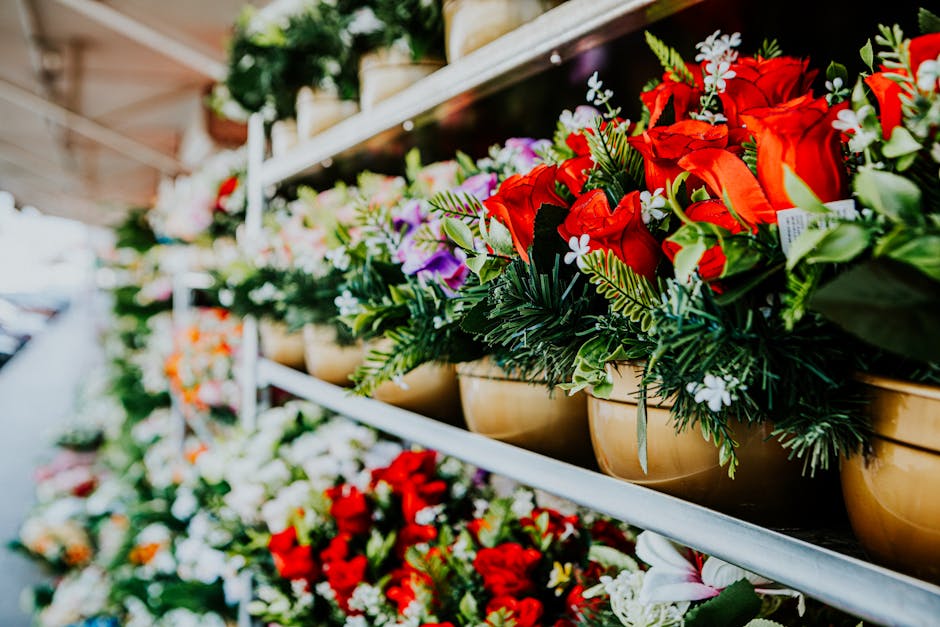
Merton Council market stall permits for selling flowers
Posted on 25/09/2026
Merton Council market stall permits for selling flowers: a practical guide for local traders
If you want to sell flowers from a market stall in Merton, the permit side can feel like the least romantic part of the business. Still, it matters. A tidy bouquet may win the eye, but the right permissions, trading setup, and day-to-day compliance are what keep your stall open and your weekends calm. This guide on Merton Council market stall permits for selling flowers walks through the basics in plain English: what the permit is for, how the process usually works, what to prepare, and the common mistakes that trip up new stallholders. Whether you are starting small with seasonal bunches or planning a full floral display, you will find the practical bits here.
To be fair, there is a lot more to market trading than just arriving with buckets and hope. You need a clear plan, the right documents, reliable stock, and an understanding of what the council expects. Let's get into it.
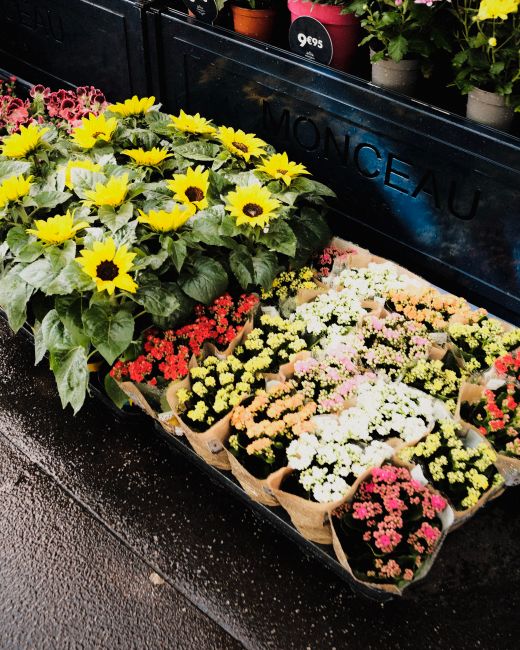
Table of Contents
- Why Merton Council market stall permits for selling flowers matters
- How Merton Council market stall permits for selling flowers works
- Key benefits and practical advantages
- Who this is for and when it makes sense
- Step-by-step guidance
- Expert tips for better results
- Common mistakes to avoid
- Tools, resources and recommendations
- Law, compliance, standards, or best practice
- Options, methods, or comparison table
- Case study or real-world example
- Practical checklist
- Conclusion
- Frequently asked questions
Why Merton Council market stall permits for selling flowers Matters
A flower stall looks effortless from the outside. Fresh stems, a few buckets, a neat price board, and customers drifting over for something bright on the way home. But the business side only works if your stall is properly authorised and set up for the location you want to trade in. That is where Merton Council market stall permits come in.
For flower sellers, the permit matters for three simple reasons. First, it helps you trade lawfully in the right place. Second, it shows the council and market operator that you are serious, which can make day-to-day trading smoother. Third, it gives you a clearer base for planning stock, pricing, display space, and delivery timing. Flowers are perishable; if you miss a trading day or arrive unprepared, the waste shows quickly. Nobody wants a bucket of drooping tulips by lunchtime. Not the mood.
It also matters because flowers are a product where presentation is everything. A market stall with good access, sensible footfall, and enough room for water and shade can make a real difference to sales. In practical terms, the permit is not just permission. It is part of your trading model.
Expert summary: if you are selling flowers in Merton, think of the permit as the foundation, not the finish line. The best results usually come when legal permission, stall design, stock rotation, and customer flow all work together.
How Merton Council market stall permits for selling flowers Works
The exact process can vary depending on the market, the site, and whether the stall is run directly by the council or by a market operator working under local rules. That is why it is always worth confirming the current local process before you commit to stock or a pitch. In broad terms, you are usually looking at a permission step, an allocation step, and an operating step.
1) Permission to trade
Before you can sell flowers from a market stall, you normally need approval to use a pitch or trading space. This may involve an application, evidence of your business details, and agreement to the terms of the market. The council or operator may want to know what you will sell, how often you want to trade, and whether you need regular or occasional use.
2) Pitch allocation
Once approved, you may be allocated a space. This might be permanent, semi-regular, or booked on a day-by-day basis. For flower sellers, the pitch location matters a lot. Near an entrance? Good for impulse purchases. Too exposed to sun or wind? Less ideal for delicate stock. The best pitch is not always the biggest one, but it should be practical for water containers, display buckets, and customer movement.
3) Trading conditions
You will usually be expected to follow market rules. These can cover set-up times, waste disposal, display boundaries, insurance expectations, and behaviour on site. If you are selling flowers, you may also need to manage water spills, packaging, and breakages carefully. Wet pavements and loose wrapping are a nuisance for everyone.
4) Ongoing compliance
Once trading starts, the permit is only part of the picture. You need to keep up with any renewal dates, changes to your stock or business details, and any instructions from the market manager. If your business grows into wider local delivery alongside the stall, a page like flower delivery in Merton SW19 can be useful for customers who want convenience after browsing your stall.
One thing many new traders overlook: the permit process is often less about proving you are a florist and more about proving you are reliable, safe, and ready to trade responsibly. That is the real game.
Key Benefits and Practical Advantages
Getting the right stall permission is not just paperwork. Done properly, it can improve how your flower business performs from week to week.
- Legitimacy: you can trade with confidence, without second-guessing whether you are set up correctly.
- Better visibility: market stalls benefit from passing footfall and last-minute buyers, especially for bouquets and seasonal stems.
- Local trust: shoppers often prefer buying flowers from someone who feels established and local.
- Flexibility: a stall can support seasonal peaks like Valentine's Day, Mother's Day, weddings, and funerals.
- Brand building: your display can act like a live shopfront, especially if you also operate a nearby florist business.
There is also a more subtle advantage. A stall lets you test what people in Merton actually buy. Do they go for roses? Mixed bouquets? Bright seasonal bunches? Sympathy arrangements? You can learn a lot from ten minutes of honest customer traffic. Sometimes more than from a month of guesswork online.
If you also run a physical shop, market trading can complement a local presence. For example, customers who find you through a florist in Merton SW19 search may later recognise your stall and buy again. That repeat recognition is valuable. It builds slowly, but it builds.
Who This Is For and When It Makes Sense
This kind of permit is relevant for anyone planning to sell flowers from a market stall in the Merton area. That could be a sole trader starting with weekend trade, an established florist adding another sales channel, or a seasonal seller focusing on events and holidays.
It makes sense if you are:
- testing a new flower business without renting a full shop;
- looking for a lower-cost way to reach local customers;
- already making bouquets and want a regular outlet;
- planning seasonal sales around weddings, Easter, Valentine's Day, or Mother's Day;
- wanting to combine stall sales with local delivery.
It may not be the best fit if you:
- only want occasional private-event sales;
- cannot commit to early starts, stock prep, and weekly routines;
- lack a reliable supply chain for fresh stems;
- need a very temperature-controlled indoor environment for premium flowers.
Let's face it, market trading is not for everyone. Some people love the pace, the chat, the energy. Others would rather have a quieter back-room workflow and online orders. Neither is wrong. The point is to choose the structure that suits your business, not the one that looks appealing on paper at 11 p.m. after a long day.
Step-by-Step Guidance
Here is a practical route you can follow when preparing to apply for, or use, a stall permit for flower sales in Merton.
- Confirm the trading location. Decide which market, pitch, or site you want. A permit is usually tied to a place, not just a product.
- Check the current requirements. Ask what documents, business details, and trading conditions are needed for flower sellers.
- Prepare your business basics. Have your trading name, contact details, insurance, and pricing structure ready.
- Plan your product range. Will you sell hand-tied bouquets, bunches, single stems, wedding flowers, sympathy flowers, or gift add-ons?
- Work out your display needs. You may need buckets, water, wraps, labels, signage, storage, and weather protection.
- Apply or register. Submit the paperwork through the proper channel and keep copies of everything.
- Read the market rules carefully. Note set-up times, waste rules, stall dimensions, and any restrictions on trading activity.
- Prepare for the first trading day. Arrive early, check the pitch, and set up in a way that keeps flowers fresh and customers moving.
- Review and adjust. After the first few days, see which flowers sell fastest and which displays attract attention.
A tiny but useful tip: bring more organisation than you think you need. A market morning is not the place for hunting around for scissors, labels, or spare wrapping while customers wait. Been there, regretted that.
A simple launch routine
For a flower stall, a good routine often looks like this: prep stems the night before, condition the flowers in clean water, pack transport tubs carefully, check the weather, and build the display on site with the most delicate stock protected first. If you are also taking pre-orders, it helps to keep a separate list for collections and delivery-related items, even if the stall is your main sales point.
If you want ideas for how a broad local florist range can be structured, browsing a local catalogue like all flowers can help you think through categories, pricing bands, and seasonal choices. That does not replace your own trading plan, of course, but it is useful as a reference point.
Expert Tips for Better Results
Flower stalls succeed when they look fresh, feel easy to buy from, and avoid unnecessary friction. That sounds obvious, but plenty of stalls miss one of those pieces.
- Keep the display simple. A crowded stall can look busy, but not always in a good way. Leave breathing room between buckets.
- Use clear price points. Customers often decide quickly at markets. Make it easy for them to see what they are paying.
- Mix impulse and premium items. A few lower-cost bunches draw people in; higher-value arrangements can lift the average spend.
- Think in weather terms. Wind, cold, and sudden sun all change how flowers behave on a stall.
- Plan for waste. Some stems will not sell in time. Build that into your pricing and ordering.
- Keep packaging neat. A good wrap or sleeve can make a modest bouquet feel gift-ready.
- Talk to regulars. Market customers often return when they feel remembered.
If you already serve local customers by post or delivery, it can be smart to connect the stall with your wider offer. For example, a small sign directing people to send flowers in Merton SW19 helps turn a one-off stall purchase into repeat business. That little bridge matters.
Another practical observation: the flowers that look best in the bucket are not always the flowers that sell fastest. People often respond to colour groups, scent, and shape more than technical rarity. You may find that mixed bunches outperform specialist stems. Or not. Markets can surprise you like that.
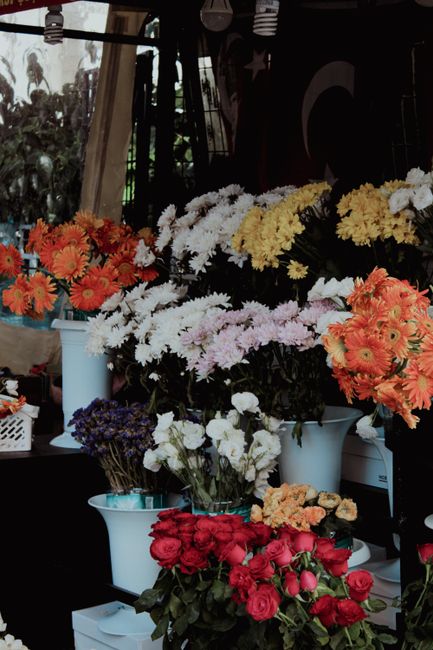
Common Mistakes to Avoid
There are a few errors that come up again and again when people start selling flowers from market stalls.
- Assuming the permit covers everything. Trading permission is one part; business setup, insurance, and operating rules still matter.
- Choosing stock before knowing the pitch. A sunny or exposed pitch may need different display planning than a sheltered one.
- Underestimating early mornings. Fresh flowers need preparation, transport, and setup time. A lot of it.
- Over-ordering expensive stock too soon. Start with a range that matches likely demand, then refine.
- Ignoring local customer behaviour. What works in a city-centre market may not work in a neighbourhood pitch.
- Forgetting the practical details. Change, bags, water, waste sacks, and labels are easy to overlook until you need them.
One of the biggest mistakes is trying to make every bouquet do the same job. A market stall usually needs a ladder of choice: quick grab bunches, mid-range gifts, and a few prettier statement pieces. That way you can serve the customer who wants something for a table and the customer who forgot a birthday. Both turn up, usually at once.
And yes, a handwritten sign can charm people. A wobbly one that obscures the price? Less charming.
Tools, Resources and Recommendations
You do not need a warehouse full of equipment to run a flower stall well, but the right tools make life easier.
- Clean buckets and carriers: essential for transport and display.
- Sharp snips and trimming tools: for recutting stems and refreshing arrangements.
- Water containers and spill management: important for keeping stems healthy and the stall safe.
- Labels and price signs: helpful for faster sales and clearer customer decisions.
- Wrapping materials: sleeves, paper, ribbon, or simple gift wrap depending on your style.
- Weather protection: covers, crates, or shade where permitted.
- Order and stock notebook: useful for noting what sold, what was wasted, and what to repeat next week.
If you are building a broader flower business around the stall, it may also help to review the practical pages on flower care and delivery. Care advice is particularly useful if customers buy from your stall and ask how to keep flowers fresh at home. Delivery details matter if you want to convert market buyers into repeat local orders.
For customers who are budget-conscious, having a small-value range available can make a real difference. A page like cheap flowers Merton SW19 shows the kind of offer that can support price-sensitive buyers without making your stall feel low-end. It is all about presentation and clarity, not just price.
Law, Compliance, Standards, or Best Practice
When selling flowers through a market stall, compliance is not something to treat as background noise. The exact rules depend on the market and local authority arrangements, so you should always check current requirements directly with the relevant council or market operator. Still, there are some broad best-practice areas every flower trader should think about.
Business and trading permission
You need the correct permission to operate from the location. Do not assume that because flowers are a low-risk product, the rules are lighter. Market trading can still be regulated and site-specific.
Insurance and liability
Public liability insurance is commonly expected in market environments. It helps protect you if a customer trips, a display falls, or a spill causes an issue. That is the sort of thing no one wants to discuss over coffee, but it matters.
Food and plant handling awareness
Flowers are not food, but they are a fresh product. Good hygiene, clean water, and careful handling are still important. Keep your stall tidy and avoid cross-contamination from waste or dirty containers.
Health and safety
Wet floors, sharp stems, crates, and busy footfall all bring basic safety concerns. Keep walkways clear and your display stable. If you use sharp tools, store them securely and keep them away from customers.
Customer information and returns
If you sell gift bouquets or take advance orders, make sure customers understand what they are buying. Clear descriptions reduce complaints. You should also have a sensible approach to substitutions, freshness, and local service issues. Pages such as returns and refund and guarantees are useful examples of the kind of information that builds trust.
Where the law or market rule is unclear, do not guess. Ask. It is far cheaper than fixing a misunderstanding after you have already stocked up.
Options, Methods, or Comparison Table
There is more than one way to sell flowers locally. A market stall is just one option, and it suits some businesses better than others. Here is a simple comparison.
| Sales method | Best for | Strengths | Trade-offs |
|---|---|---|---|
| Market stall | Impulse buying, local visibility, seasonal trading | High footfall, personal service, flexible stock | Weather exposure, early starts, stall rules |
| Shopfront florist | Established local presence, walk-in custom | Consistent branding, more storage, better display control | Higher overheads, fixed premises |
| Online delivery | Convenience, gifting, repeat local orders | Broader reach, scalable workflow, scheduled deliveries | Packaging, logistics, substitution management |
| Mixed model | Businesses wanting flexibility | Multiple income streams, better brand exposure | More moving parts, needs good planning |
In many cases, the best setup is mixed. A stall can create awareness and test demand, while delivery and online ordering capture people who do not want to carry flowers home. That combination is especially useful in local areas where customers move between shopping, commuting, and last-minute gifting.
If you are looking at a more complete trading picture, the best flower delivery in Merton SW19 route can work alongside a stall, not instead of it. The stall brings the face-to-face trust; delivery handles convenience.
Case Study or Real-World Example
Imagine a small florist starting out in Merton with a handful of regular wedding enquiries and some weekend market interest. Rather than renting a shop straight away, they apply for the relevant market trading permission, set up a modest stall, and focus on three core ranges: mixed hand-tied bouquets, seasonal bunches, and sympathy flowers.
On the first Saturday, the display is simple. Buckets of roses, tulips, and lilies near the front. A few brighter mixed bunches catch the eye from a distance. A small sign shows price points clearly. By late morning, the lower-priced bunches have sold first, followed by two medium bouquets for birthdays and one larger arrangement for a home dinner party. Nothing flashy. Just a sensible start.
The seller notices something important: customers ask about same-day and next-day delivery after buying from the stall. So the business begins linking the stall to local order options, and the market becomes a discovery point rather than a dead end. That is often how it works in real life. The stall is not only a sales space. It is a conversation starter.
Later, they begin offering gift-ready styles and category-based items that reflect demand. For example, romantic bouquets, birthday flowers, and practical sympathy ranges can all be displayed in ways that help shoppers make quick decisions. A local presence, a neat display, and reliable service. Simple, but effective.
Practical Checklist
Use this checklist before your first trading day or before renewing your stall setup.
- Confirm the exact market location and trading days.
- Check what permission or permit is required.
- Read the current market rules carefully.
- Prepare business details and contact information.
- Arrange suitable insurance if required.
- Plan your flower range and pricing.
- Organise buckets, water, wraps, and tools.
- Set up a clear, tidy stall layout.
- Prepare signs for prices, care advice, and payment methods.
- Check weather conditions before you travel.
- Bring waste bags, spare ties, and cleaning supplies.
- Keep note of what sold well and what did not.
- Review customer questions after each market day.
Small practical reminder: if something can go wrong with a wet stem, a tipped bucket, or a missing sign, it probably will on the first busy morning. Pack as if you are helping your future self, because you are.
Conclusion
Merton Council market stall permits for selling flowers are about more than permission on paper. They are about building a trading setup that is stable, local, and workable in the real world. Once you understand the pitch, the rules, and the rhythm of market life, the rest becomes much easier. Good flowers, good display, good routine. That is the formula, more or less.
Whether you are testing a new idea or expanding an existing florist business, the key is to keep things practical. Start with the correct permission, keep your stock fresh, and make the buying experience easy for customers. If you do that, the stall can become a genuinely strong part of your business rather than just another task on the list.
Get a free quote today and see how much you can save.
And if you are still at the planning stage, that is absolutely fine. A well-prepared start usually beats a rushed one, and in floristry, timing really does matter.
Frequently Asked Questions
Do I need a permit to sell flowers from a market stall in Merton?
In most cases, yes, you should expect to need the correct permission to trade from a market stall. The exact arrangement depends on the market, the site, and who runs it, so it is best to confirm the current local requirement before you buy stock or book a pitch.
Can I sell bouquets and individual stems with the same stall permission?
That depends on the terms of the permit or stall agreement. Some permissions are broad enough to cover a flower range, while others may be tied to the type of trading activity or location. Always check what the permission actually allows.
How far in advance should I apply?
As early as you can. The process can involve checks, space availability, and approval steps, so leaving it until the last minute is not ideal. Flowers are time-sensitive, so your paperwork should be too.
What documents are usually needed?
That varies, but you may be asked for business details, contact information, proof of identity, insurance, and a description of what you plan to sell. Some markets may ask for additional information about your trading model.
Is selling flowers at a market stall better than running a shop?
Not always better, just different. A stall can be lower-cost and more flexible, while a shop gives you more control over display and storage. Many businesses use both, which is often the smartest route if you can manage it.
What flowers sell best at market stalls?
That depends on the season and local customer habits, but mixed bouquets, roses, lilies, tulips, and good-value bunches are common favourites. Seasonal colour and clear pricing often matter just as much as the specific flower.
Can I trade only on weekends?
Often yes, if the market allows it. Some traders start with weekends because the footfall suits them and the stock risk is lower. Weekend-only trading can be a sensible way to test demand before committing to more days.
Do I need insurance to sell flowers at a stall?
It is commonly expected in market trading, especially where customers walk around your display and the public can come into contact with your setup. Check the market requirements and make sure you are covered before trading.
How do I keep flowers fresh on a market stall?
Use clean water, condition the stems properly, keep the stall shaded where possible, and avoid overhandling the blooms. A tidy bucket system and good stock rotation make a bigger difference than many new sellers realise.
Can I combine a stall with local flower delivery?
Yes, and for many florists that is a very sensible model. The stall brings walk-in and impulse sales, while delivery helps you keep orders coming in during quieter periods. The two channels can support each other nicely.
What are the most common mistakes new flower sellers make?
They often underprepare, overstock, or ignore how weather affects flowers on display. Another common issue is unclear pricing. A stall works best when customers can understand the offer quickly and buy without hesitation.
Where should I start if I want to build a flower business around a stall?
Start with the permit requirements, your product range, and your display basics. Then think about whether you want to add local delivery, event flowers, or a shopfront later. A clear first step is usually better than trying to do everything at once.